

Best Dog Harness for Walking: Complete 2026 Buyer's Guide

Why the Right Walking Harness Changes Everything
A daily walk should be the highlight of your dog's day—and yours. But if you're fighting a pulling dog, dealing with tangled leashes, or constantly adjusting slipping straps, it's anything but relaxing.
The best dog harness for walking solves all three problems at once: comfort, control, and safety. But with dozens of options claiming to be "the best," how do you actually choose?
We've tested and compared harnesses across breeds, sizes, and walking styles to bring you this definitive guide.
What You'll Learn
- The 5 non-negotiable features of a great walking harness
- How to match harness type to your dog's walking style
- Size-specific recommendations for every breed
- Common fitting mistakes that make even good harnesses fail
The 5 Features Every Good Walking Harness Must Have
1. Dual Attachment Points (Front + Back)
A single-clip harness limits your options. A front D-ring gives you anti-pull control during training; a back D-ring offers relaxed walking for dogs who've already mastered loose-leash manners. The best harnesses have both.
2. Full Adjustability (4+ Points)
Dogs aren't one-size-fits-all. Look for independent adjustment at the neck, chest, girth, and belly straps. If you can't fine-tune it, it won't fit properly—and a poor fit means chafing, slipping, or escape.
3. Padded, Wide Straps
Thin straps dig in under tension. Wide, padded chest and belly straps distribute pressure evenly across your dog's body, preventing hot spots and discomfort even on long walks or during sudden pulls.
4. Reflective Elements
Early morning and evening walks are a reality for most owners. Reflective stitching or panels visible from multiple angles keep your dog visible to cars, cyclists, and other pedestrians.
5. Quick-Release Buckles + Secure Clips
You want it easy to put on and take off—but impossible for your dog to escape. Look for metal hardware (not plastic) at stress points, and check that buckle clips lock with a satisfying click.
Matching Harness Type to Walking Style
| Walking Style | Best Harness Type | Why |
|---|---|---|
| Heavy Puller | Front-clip no-pull harness | Redirects forward momentum sideways |
| Calm Walker | Back-clip padded harness | Maximum comfort, no steering needed |
| Reactive Dog | Dual-clip with handle | Front clip control + emergency back handle |
| Runner/Hiker | Back-clip athletic harness | Freedom of movement, no front tangling |
| Puppy | Lightweight step-in harness | Easy on/off, grows with puppy |
Best Walking Harnesses by Dog Size
Large Breeds (50+ lbs)
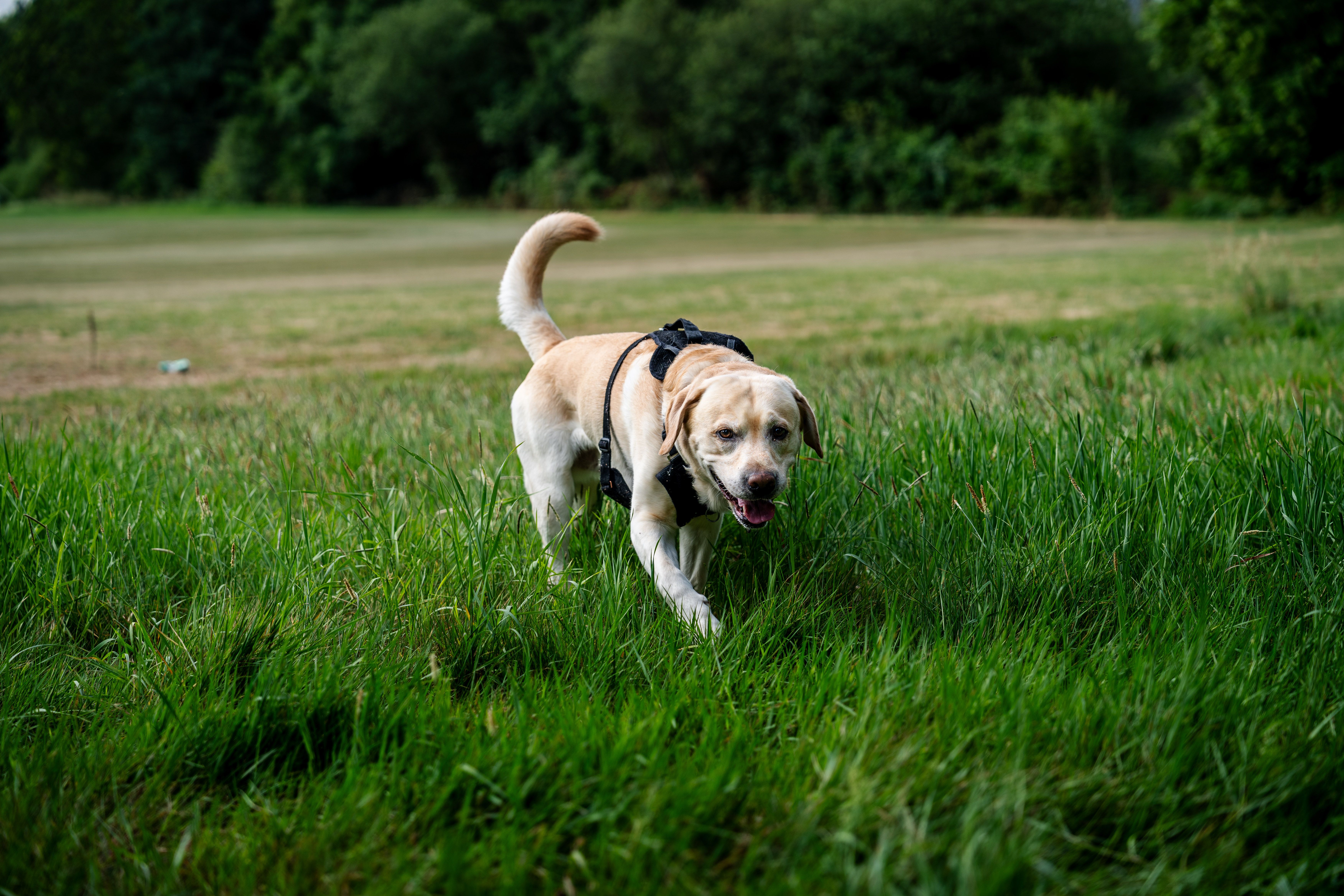
German Shepherds, Labs, Goldens, Pit Bulls—large dogs need reinforced stitching, metal D-rings, and a sturdy back handle. The chest plate should be wide enough to prevent the harness from twisting under load. Look for models rated for dogs 80-120 lbs, even if your dog is 60 lbs—the extra durability margin matters.
Medium Breeds (20-50 lbs)
Border Collies, Corgis, Beagles—medium dogs are the sweet spot for harness selection. Most standard harnesses fit well, but pay attention to chest depth. Deep-chested breeds (like Boxers) need a Y-shaped front to avoid restricting shoulder movement.
Small Breeds (under 20 lbs)
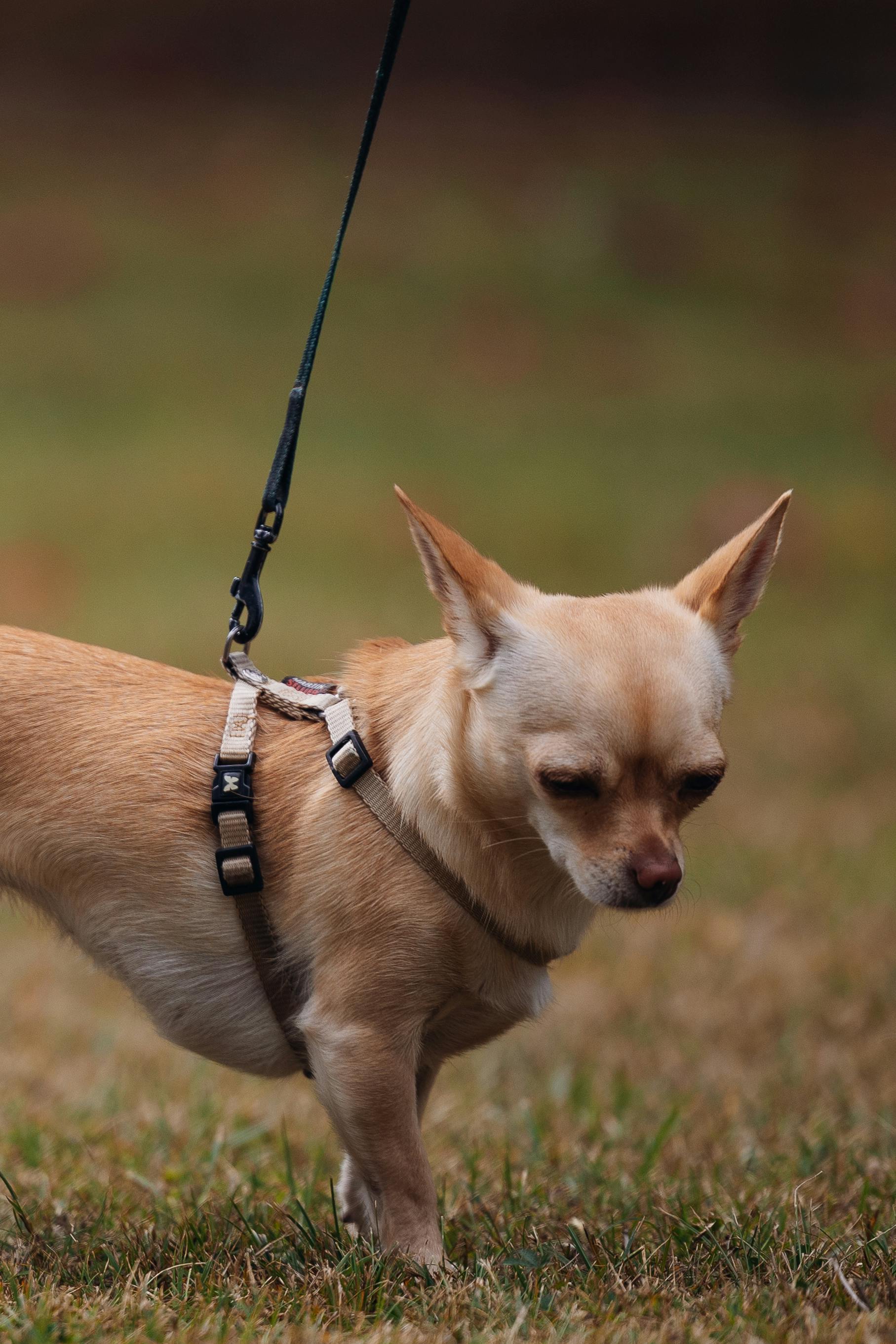
Chihuahuas, Yorkies, Toy Poodles—the harness is protecting their trachea. Prioritize soft, lightweight materials and a vest-style design that distributes pressure across the entire chest rather than a single point. Avoid heavy hardware that weighs them down.
Common Harness Fitting Mistakes
- Too loose behind the front legs—Your dog can back out. You should barely fit two fingers between the strap and the body.
- Too tight under the armpits—Causes chafing and restricts movement. Check for red marks after walks.
- Chest strap riding up to the throat—The front strap should sit on the sternum, not the neck. If it slides up, the harness is too big.
- Using only the back clip on a puller—You're giving your dog maximum leverage. Switch to the front clip for training walks.
- Not re-checking fit monthly—Weight changes, coat thickness, and strap stretching all affect fit over time.
FAQ
Q: Should I leave the harness on all day?
A: No. Even the best harness can cause skin irritation or matting with prolonged wear. Put it on for walks and remove it at home.
Q: How do I clean a dog harness?
A: Most fabric harnesses are hand-washable with mild soap and cold water. Avoid machine washing—the agitation can weaken stitching and bend hardware. Air dry only.
Q: Can two dogs share one harness?
A: Only if they're the exact same size and build. A harness that's even slightly off will be uncomfortable for one dog. Invest in one per dog.
Ready for Better Walks?
Browse our curated dog harness collection—every product hand-picked for quality, safety, and real-world performance:
Comment (0)